
Korean Food Culture: Guide to Eating in Korea
pdt · 2026. 5. 27. · 7분 읽기
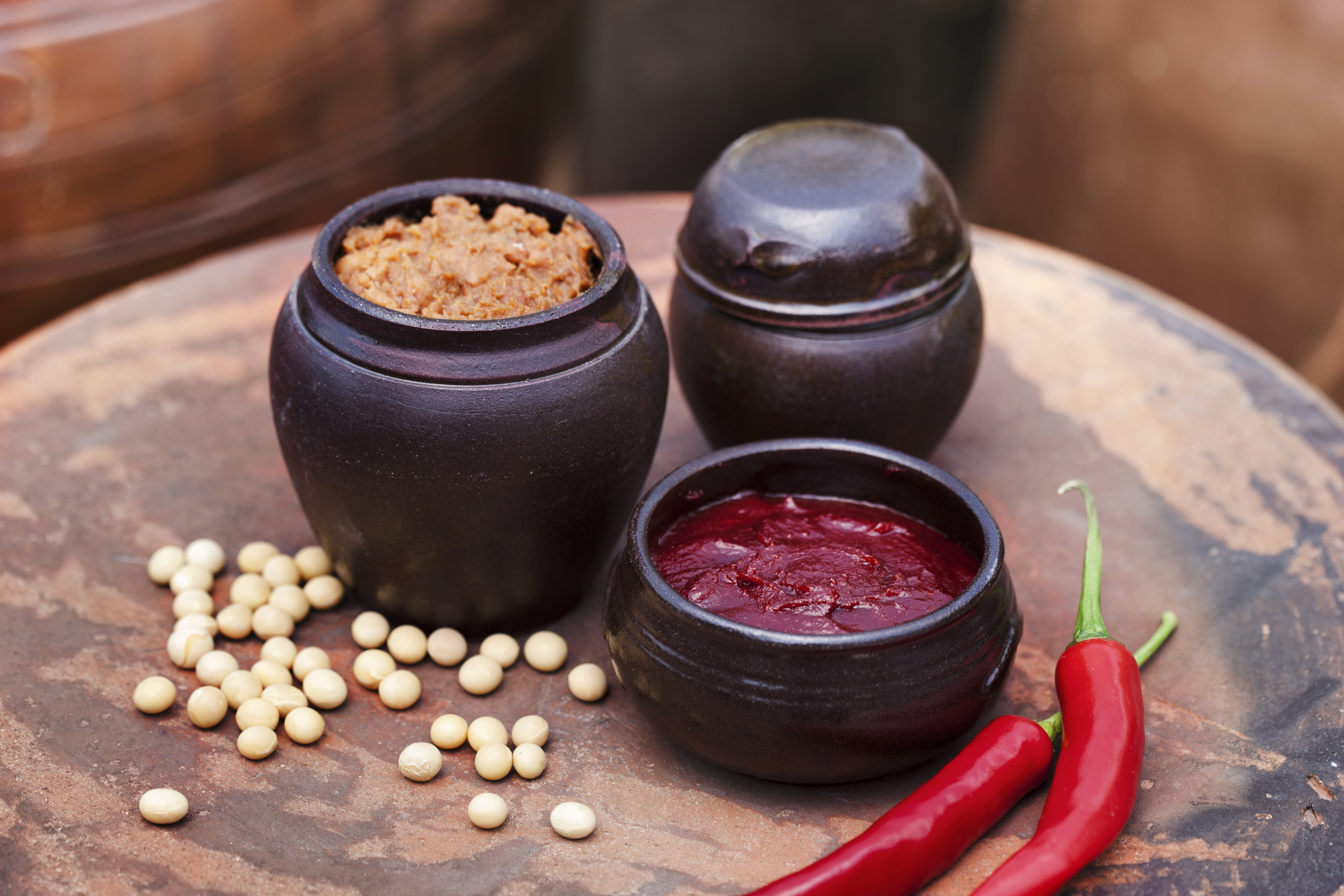
Walking into a Korean restaurant for the first time can be confusing. You order one dish, but a parade of small plates suddenly covers your table. At the next table, several people are dipping their spoons into the same pot, and someone is receiving a glass with both hands, turning their head slightly to the side as they drink. All of these are part of Korean food culture.
Korean food culture is not just about "what you eat." It's about how, with whom, and in what order you eat — and behind each of these lies the relationships and emotions that shape Korean society.
This guide is written for international students and professionals new to Korea, covering the essentials from the structure of a Korean meal to hoesik etiquette, delivery, and convenience store culture.
Korean Food Culture: What Does a "Full Table" Mean in Korean Cuisine?
The Foundation of Korean Meals — Rice, Soup, and Banchan
The first thing you'll notice when sitting down at a Korean restaurant is the "hansangchim" — a fully set table. Even if you order just one main dish, it comes with rice, soup, and several small side dishes. These small dishes are called banchan. Kimchi, seasoned bean sprouts, spinach, and other varieties differ from restaurant to restaurant, but most are served for free and can be refilled when finished. Just say "banchan deo juseyo (반찬 더 주세요)" — "more side dishes, please" — and the staff will bring more.
The basic formula of a Korean meal is "rice + soup + banchan + main dish." It's a completely different structure from Western meals, which often center on a single main dish. For a deeper look into the principles behind Korean meal composition, you can visit the Korean Food Promotion Institute official site.
💡 TIP: Instead of finishing one banchan dish at a time, Koreans usually alternate between rice, soup, and various side dishes a little at a time.
A Shared Table — The Culture of Eating Together
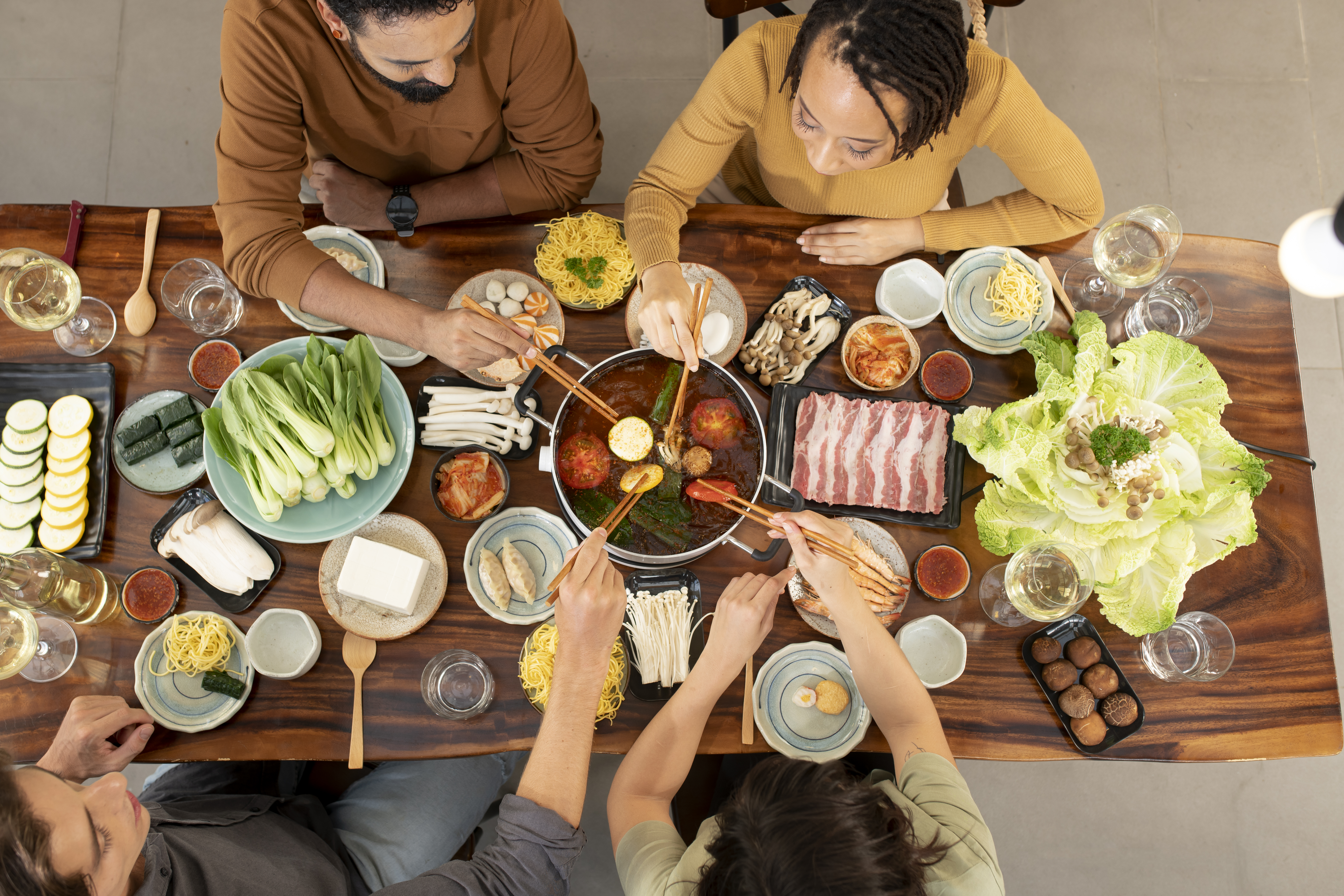
Another unfamiliar scene at a Korean restaurant is several people dipping their own spoons into a single pot of stew placed in the middle of the table. This connects to one of the key concepts in Korean food culture: "jeong (정)."
Jeong is the warm, unspoken bond that naturally grows between people who are close, and the act of sharing food itself is a way of confirming that relationship. Recently, due to hygiene concerns, the practice of serving food onto individual plates (ap-jeopsi, 앞접시) has become more common.
If sharing makes you uncomfortable, simply asking "ap-jeopsi hana juseyo (앞접시 하나 주세요)" — "one small plate, please" — is not considered rude at all.
Essential Korean Dining Etiquette
Basic Manners When Dining with Elders
When eating with elders in Korea, there are a few basic manners to keep in mind. They may feel awkward at first, but knowing them helps you build relationships in Korean society.
① Wait for the eldest person to pick up their spoon before starting
② Hold and pass drinking glasses with both hands
③ Turn your head slightly to the side when drinking in front of an elder
④ Don't lift rice or soup bowls off the table (unlike in Japan or China)
💡 TIP: You don't need to follow every rule perfectly. Koreans understand that you're new to the culture, and the effort itself is usually received warmly.
Hoesik — Korea's Unique Workplace & Group Dining Culture
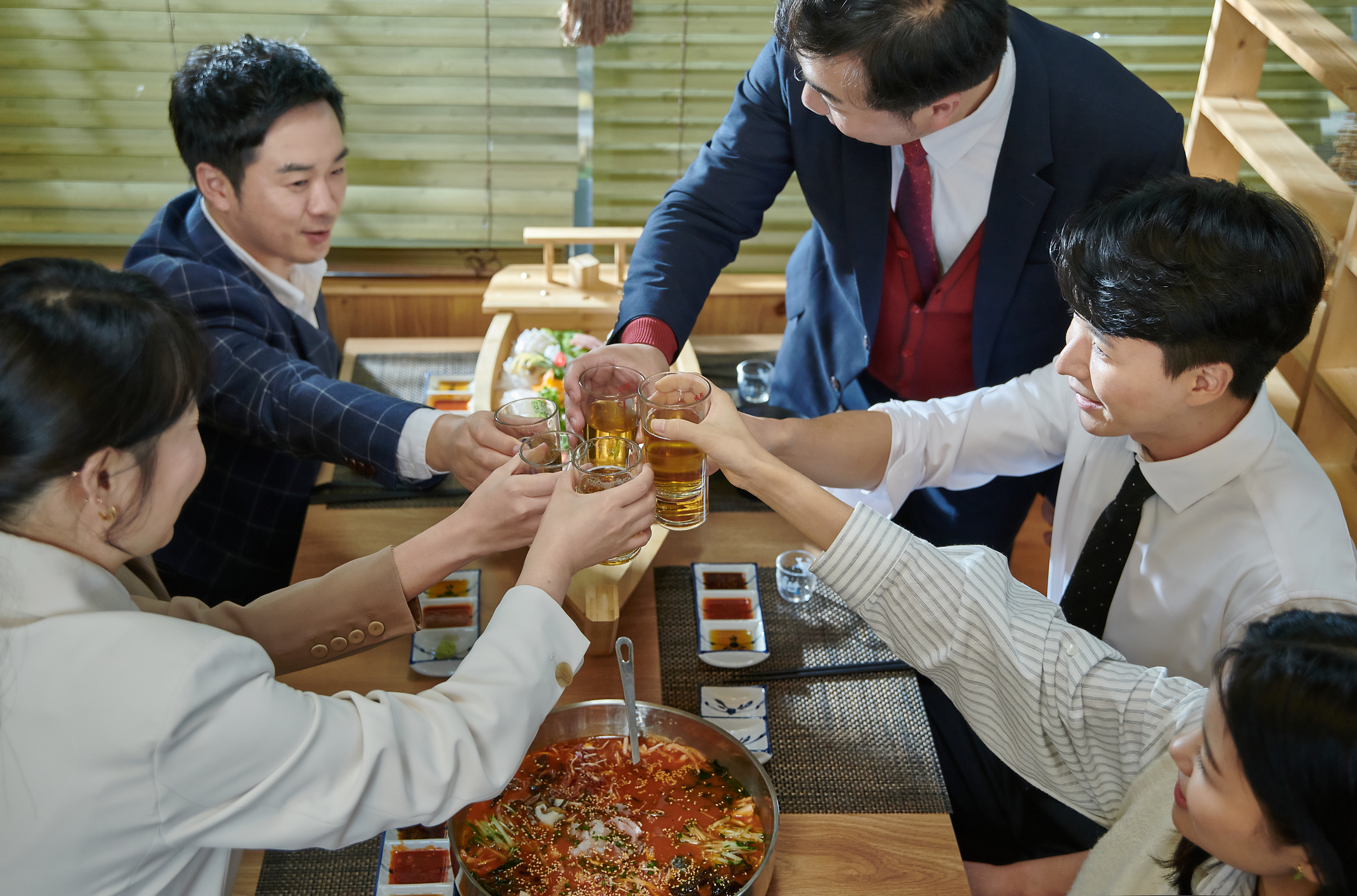
Hoesik (회식) is a symbol of Korean workplace culture. It's a gathering where colleagues share a meal together to build relationships outside of work. International students experience a similar atmosphere at department MTs (membership training trips) or club gatherings. Traditional hoesik follows a "round" structure.
1st round - Dinner and drinks at a Korean BBQ or restaurant
2nd round - Light drinks at a hof (pub) or pojangmacha (street tent bar)
3rd round - Wrapping up at a noraebang (karaoke) or café You'll often hear two expressions:
"geonbae (건배)" — the Korean "cheers" said while clinking glasses — and "wonshot (원샷)" — an invitation to empty your glass in one go. These are invitations, not commands, so it's perfectly fine to decline if you're not comfortable.
💡TIP: Leaving a small amount of drink in your glass prevents it from being refilled. In Korean etiquette, glasses are typically refilled only when empty.
Korean Food Categories You Should Try
Korean BBQ — The Culture of Grilling Your Own Meat
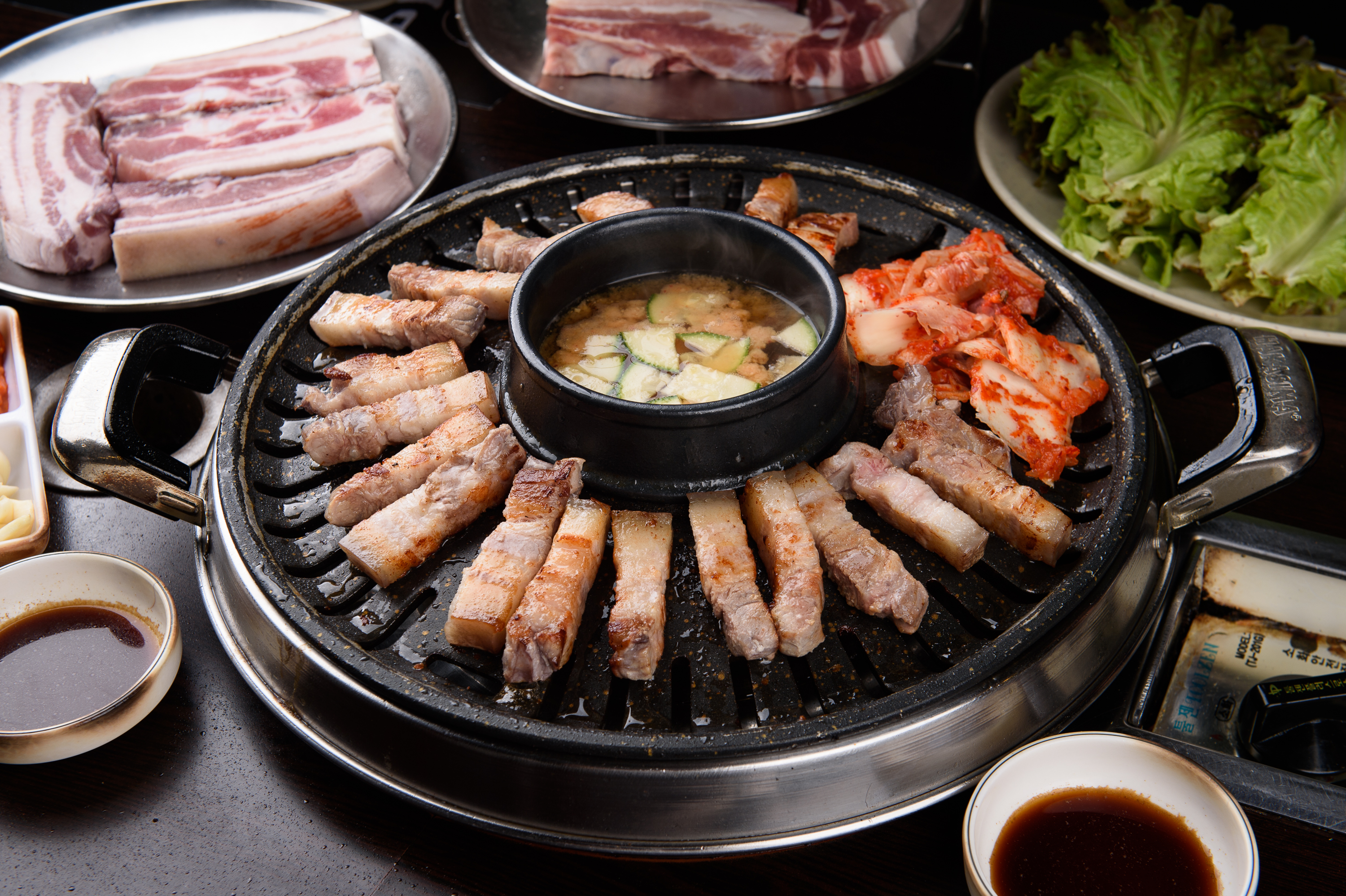
The defining feature of Korean BBQ is that diners grill their own meat at a tabletop grill. Two cuts stand out as the most popular.
Samgyeopsal (삼겹살)
Pork belly with alternating layers of fat and lean meat.
Galbi (갈비)
Beef or pork ribs marinated in a soy-based sauce. The slight sweetness makes it a favorite even among those who find spicy food challenging. The traditional way to eat is by wrapping the meat in "ssam (쌈)" — using lettuce, perilla leaves, garlic, and ssamjang (a savory soybean-based dipping sauce). Place rice, grilled meat, and a bit of ssamjang on a leaf in your palm, fold it, and eat it in one bite.
💡 TIP: Eating ssam in a single bite is part of the Korean dining tradition. Start with small wraps until you get the hang of it.
Soup Dishes — Jjigae vs. Tang vs. Guk
Korean cuisine has an unusually wide variety of soup-based dishes. They may look similar, but each has its own name in Korean.
Jjigae (찌개) - A thick, hearty stew packed with ingredients. Kimchi-jjigae, doenjang-jjigae, and sundubu-jjigae are the most common.
Tang (탕) - A long-simmered, nourishing soup, often considered a restorative dish. Examples include seolleongtang (a milky broth made from simmered ox bones) and samgyetang (young chicken stuffed with ginseng and glutinous rice).
Guk (국) - The lightest of the three, served alongside rice as a side dish. Miyeok-guk (seaweed soup) and kongnamul-guk (bean sprout soup) are everyday examples.
⚠️ Note: Stone pots (ttukbaegi) are served extremely hot. Don't touch them with your hands, and wait 1–2 minutes for the bubbling to settle before eating.
Bunsik — Korea's Everyday Street Food
Bunsik (분식) - refers to the broad category of affordable, quick-bite Korean street food.
Tteokbokki (떡볶이) - Rice cakes and fish cakes simmered in a spicy gochujang sauce.
Kimbap (김밥) - Rice and various ingredients rolled in seaweed and cut into bite-sized pieces.
Sundae (순대) - Pork intestines stuffed with glass noodles and vegetables, then steamed.
Twigim (튀김) - Battered and fried vegetables, sweet potatoes, squid, and more — best dipped in tteokbokki sauce.
💡 TIP: If spicy food isn't your thing, try "rosé tteokbokki," made with a tomato-cream base. The cream balances the heat beautifully.
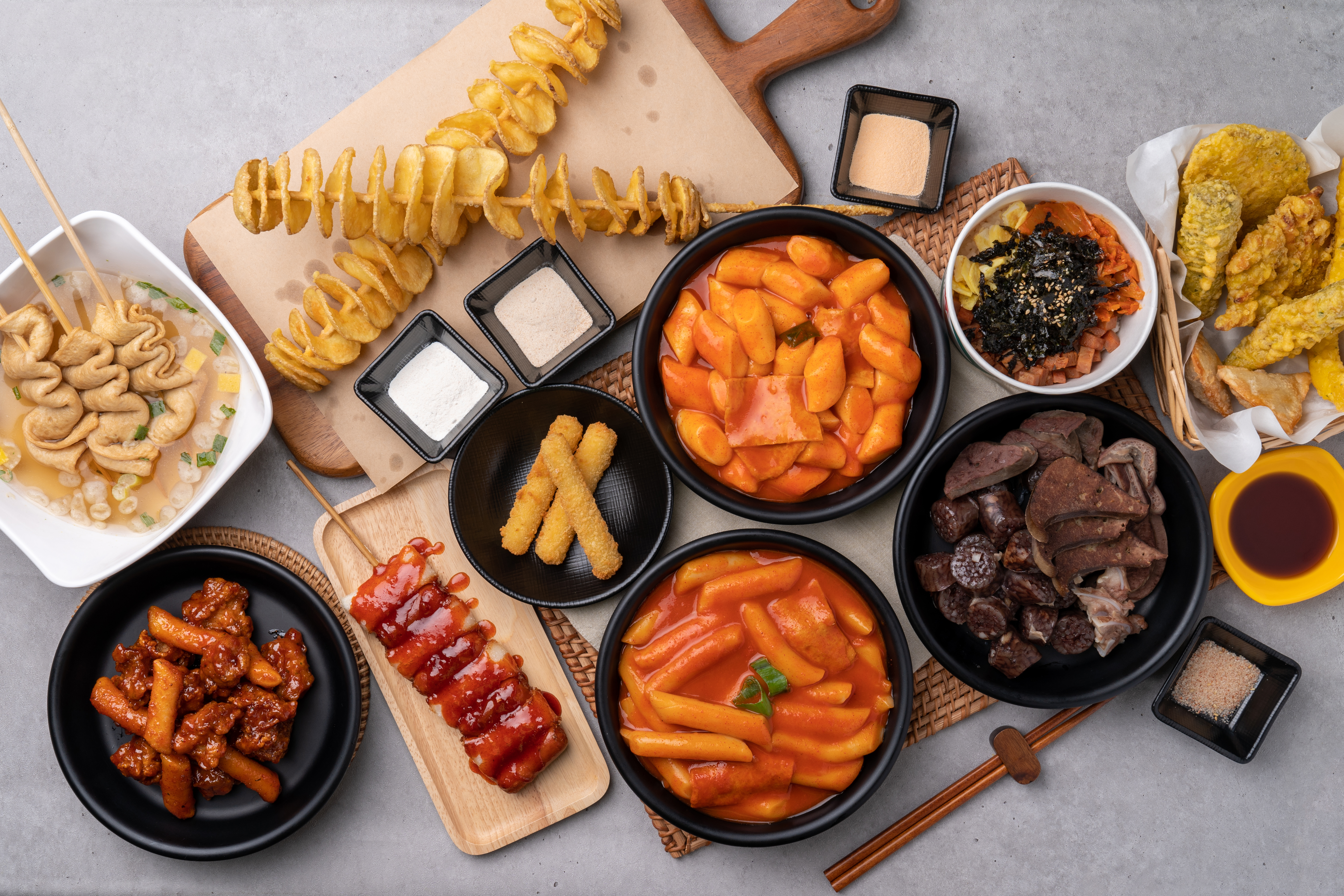
Korean Food Culture in Daily Life
Delivery Culture — Korean-Style Food Anywhere, Anytime
Korea's food delivery culture is unmatched globally. Food is delivered not only to homes and offices, but also to picnic spots in Han River Park and even campus benches. The two leading delivery apps are Baedal Minjok (배달의민족), which boasts the largest number of partner restaurants, and Coupang Eats (쿠팡이츠), known for its fast single-order deliveries.
Both apps support English interfaces and can be used with a Korean phone number and card linked to your ARC. Delivery options cover almost everything — fried chicken, pizza, Korean, Chinese, and Japanese food, as well as café desserts and even convenience store items.
💡 TIP: Curious how to use delivery during a Han River picnic? Check out our Han River Picnic Seoul guide.
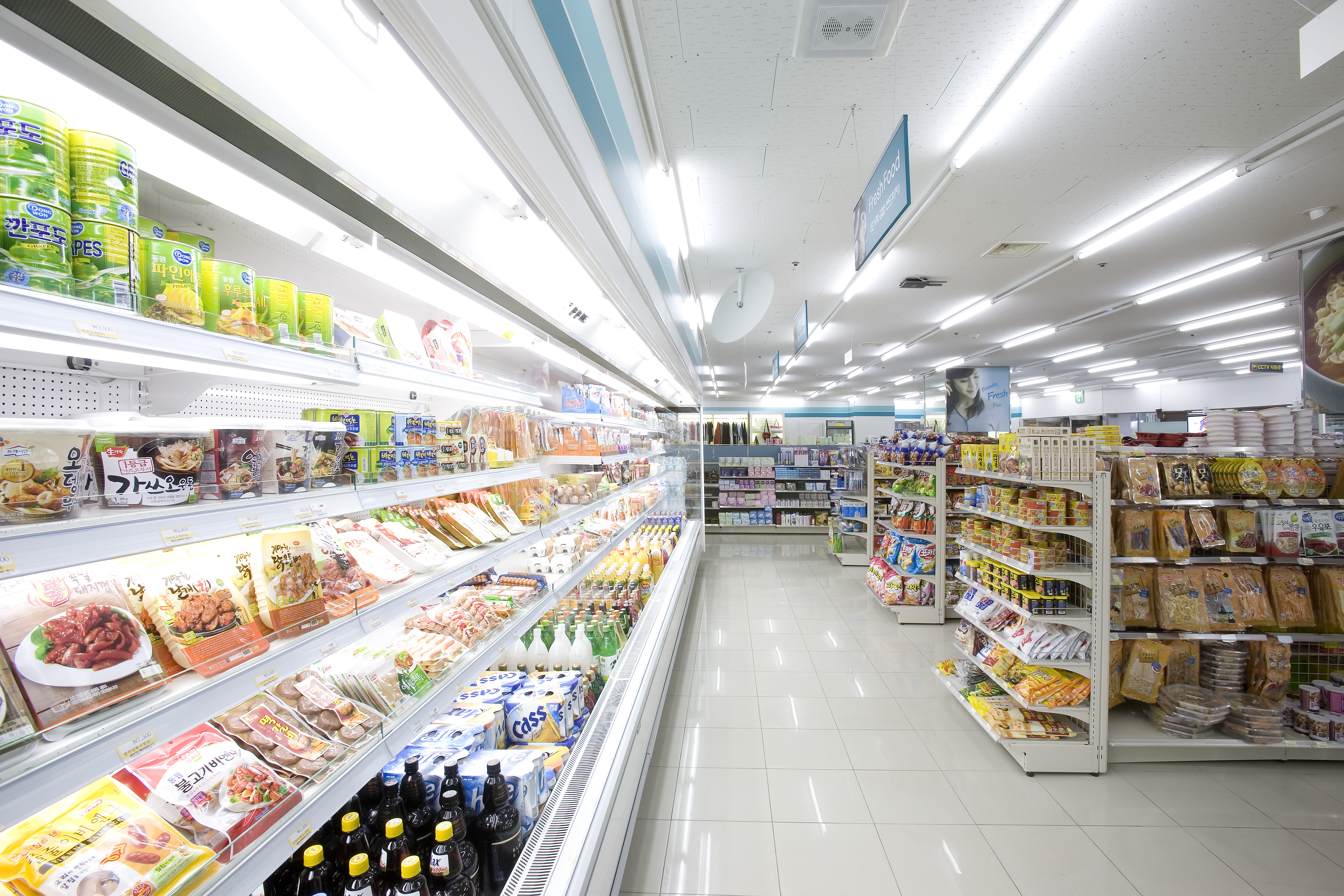
Convenience Stores — Where Korean Food Life Begins
Korean convenience stores aren't just shops for everyday essentials — they double as mini restaurants where you can grab a full meal. CU, GS25, Seven-Eleven, and Emart24 are the major chains, and in Seoul you can usually find one within 100 meters.
Dosirak (도시락) - A lunchbox with rice, a main dish, and side dishes. Around 4,000–6,000 KRW.
Samgak-gimbap (삼각김밥) - Small triangular kimbap, around 1,500 KRW.
Cup ramyeon (컵라면) - Instant noodles you can prepare on the spot using the store's hot water dispenser.
One must-try experience is "Hangang ramyeon (한강라면)" — instant noodles boiled and eaten at a Han River convenience store. It's a small but iconic part of everyday Korean life.
💡 TIP: Want more tips on using Korean convenience stores? Check out our Korean Convenience Store Guide.
At its heart, Korean food is about "a table shared together."
The abundance of banchan on a single table, the shared pot of jjigae, the grilled meat passed from one person to another — every gesture is a way of building relationships through food. The unfamiliar manners and expressions may feel intimidating at first, but you don't need to master them all.
From the moment you sit down for a meal with a Korean friend or colleague, Korean food culture starts to feel naturally familiar.
