Korea in Summer : A Complete Guide to Korean Summer
pdt · 2026. 6. 5. · 7분 읽기
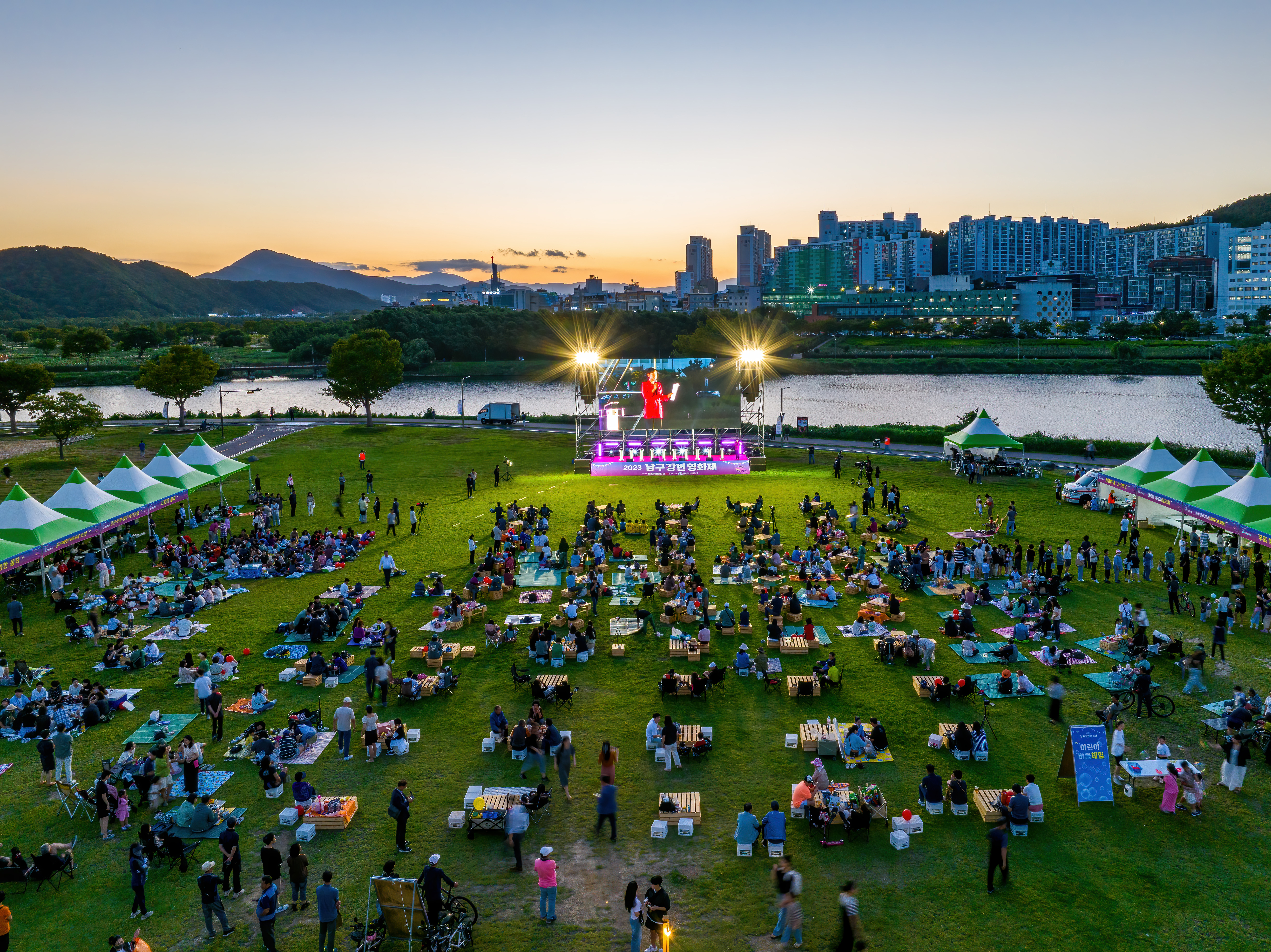
Korean summer lasts about three months, from June to August, but the atmosphere shifts dramatically depending on when you visit.
June is early summer — perfect for walks and outdoor strolls. July is the season where the monsoon overlaps with festivals. August is the peak of scorching heat and the prime season for Han River night gatherings. From July through August, the Boryeong Mud Festival and music festivals run across the country simultaneously, and in Seoul, the city only truly comes alive after the sun goes down.
This article covers everything from weather and what to pack to outdoor activities and summer food culture — built for foreigners experiencing their first Korean summer.
Korea in Summer: What Is Korean Summer Like?
Korean Summer Month by Month
Korean summer runs from June through August, and how it feels changes significantly by month.
June averages 24–28°C (75–82°F) and is relatively comfortable. It's the best month for planning outdoor activities.
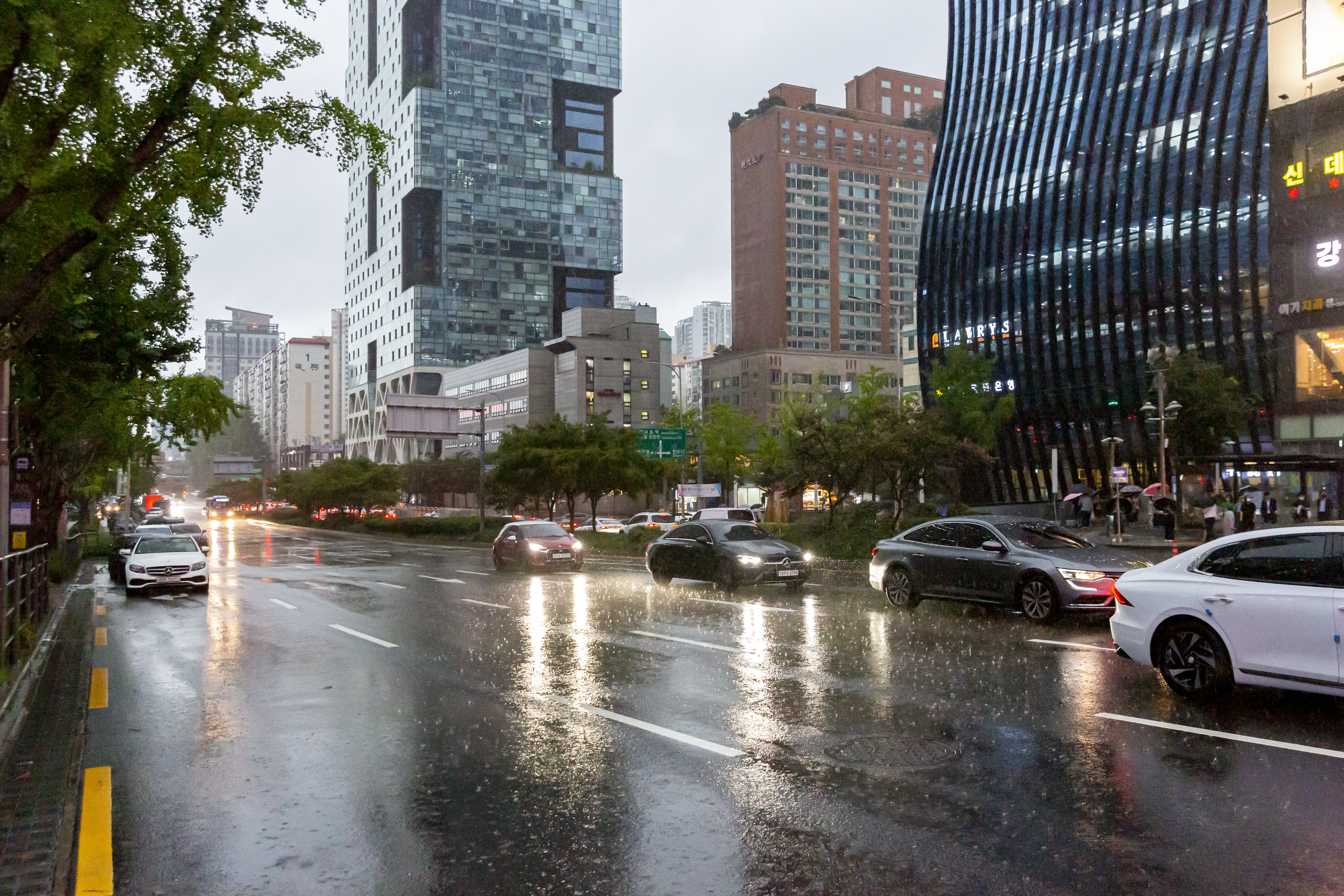
July is when jangma (장마, the Korean monsoon) begins. It doesn't rain every day, but sudden showers are frequent, so a portable umbrella is essential.
August is peak heat season. Days exceeding 35°C (95°F) at midday are common, and high humidity pushes the felt temperature even higher. Many visitors report that the same 35°C feels stickier in Korean August than in Southeast Asia — humidity is the reason.
To stay comfortable in Korea during this period, a few items help: breathable lightweight clothing (linen or moisture-wicking fabrics), a yangsan (양산, sun umbrella), and a portable handheld fan are essentials most Koreans carry. Sun umbrellas and handheld fans are easy to buy at convenience stores or Daiso for around ₩10,000–20,000.
A light cardigan or outer layer is also worth packing. Indoor air conditioning in Korea is notoriously strong — cafés, subways, and restaurants can feel cold.
💡 TIP: If you're visiting in July or August, always keep a small portable umbrella in your bag. Sudden showers strike without warning.
Summer Activities to Enjoy Korea in Summer
Boryeong Mud Festival
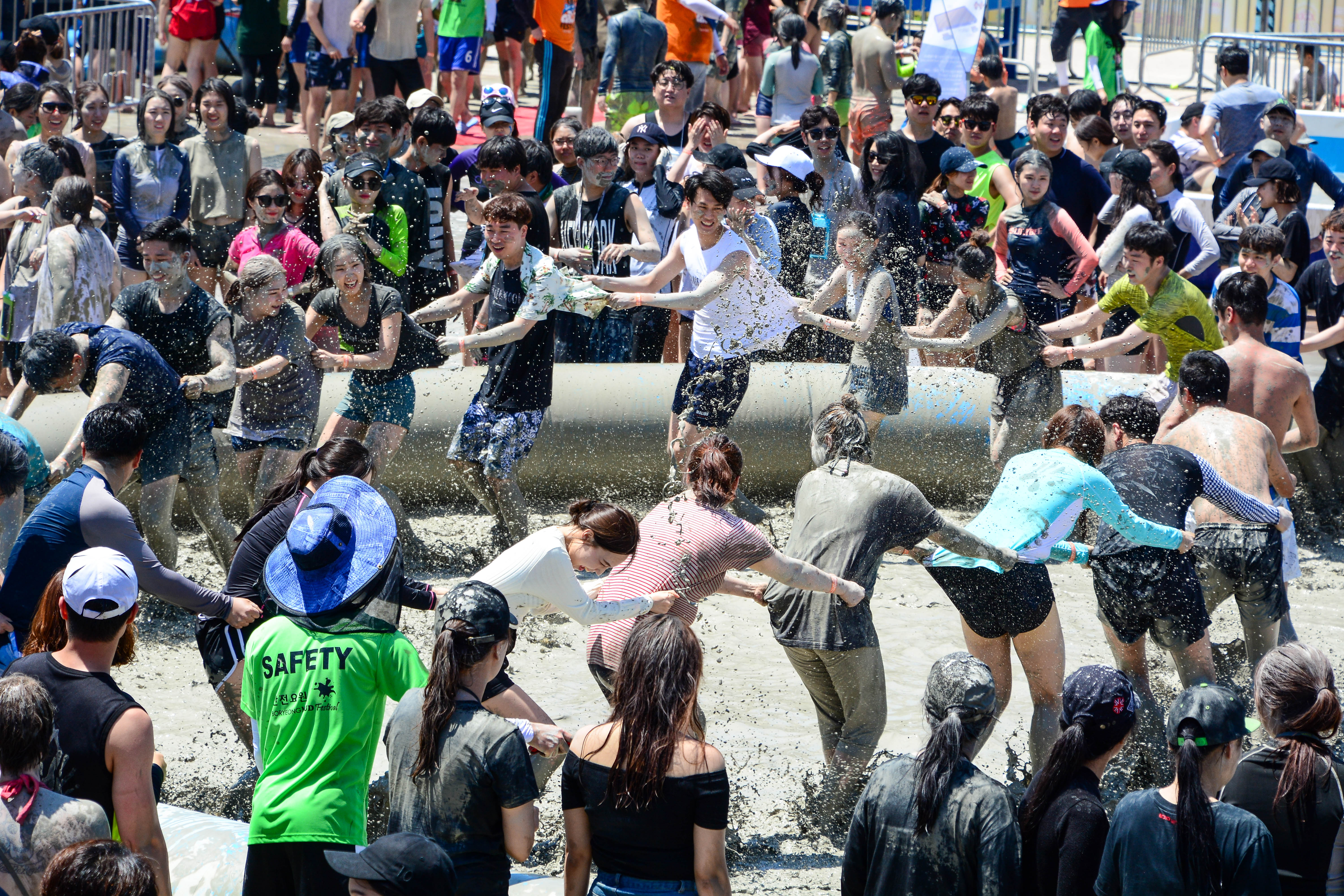
The Boryeong Mud Festival runs for about 10 days every mid-to-late July at Daecheon Beach in Boryeong, Chungcheongnam-do. Since launching in 1998, it has become one of the Korean festivals with the highest proportion of foreign visitors.
Using mineral-rich mud from the Daecheon Beach tidal flats, the festival offers mud slides, mud pools, and mud massages during the day, with EDM concerts and fireworks at night. The shift between daytime and nighttime atmospheres is so distinct that staying all day never feels repetitive.
📍 Location: Daecheon Beach, Boryeong, Chungcheongnam-do
⏰ When: Mid-to-late July annually (check the official Boryeong Mud Festival website for exact dates)
⚠️ Caution: Mud stains stick stubbornly to white or ordinary clothes. Bring a change of clothes and a large towel.
💡 TIP: From Seoul, take the Mugunghwa or KTX-Eum from Yongsan or Yeongdeungpo Station to Daecheon Station — about 2 hours. Shuttle buses run during the festival period.
Music Festivals — Rock Festivals and Waterbomb
July and August are the golden age of Korean music festivals.
The Busan International Rock Festival, held at Samnak Ecological Park in Busan, is Korea's largest free rock festival, with domestic and international lineups announced annually. The Incheon Pentaport Rock Festival, held the first weekend of August at Songdo Moonlight Festival Park in Incheon, is a paid festival and the longest-running rock festival in Korea.
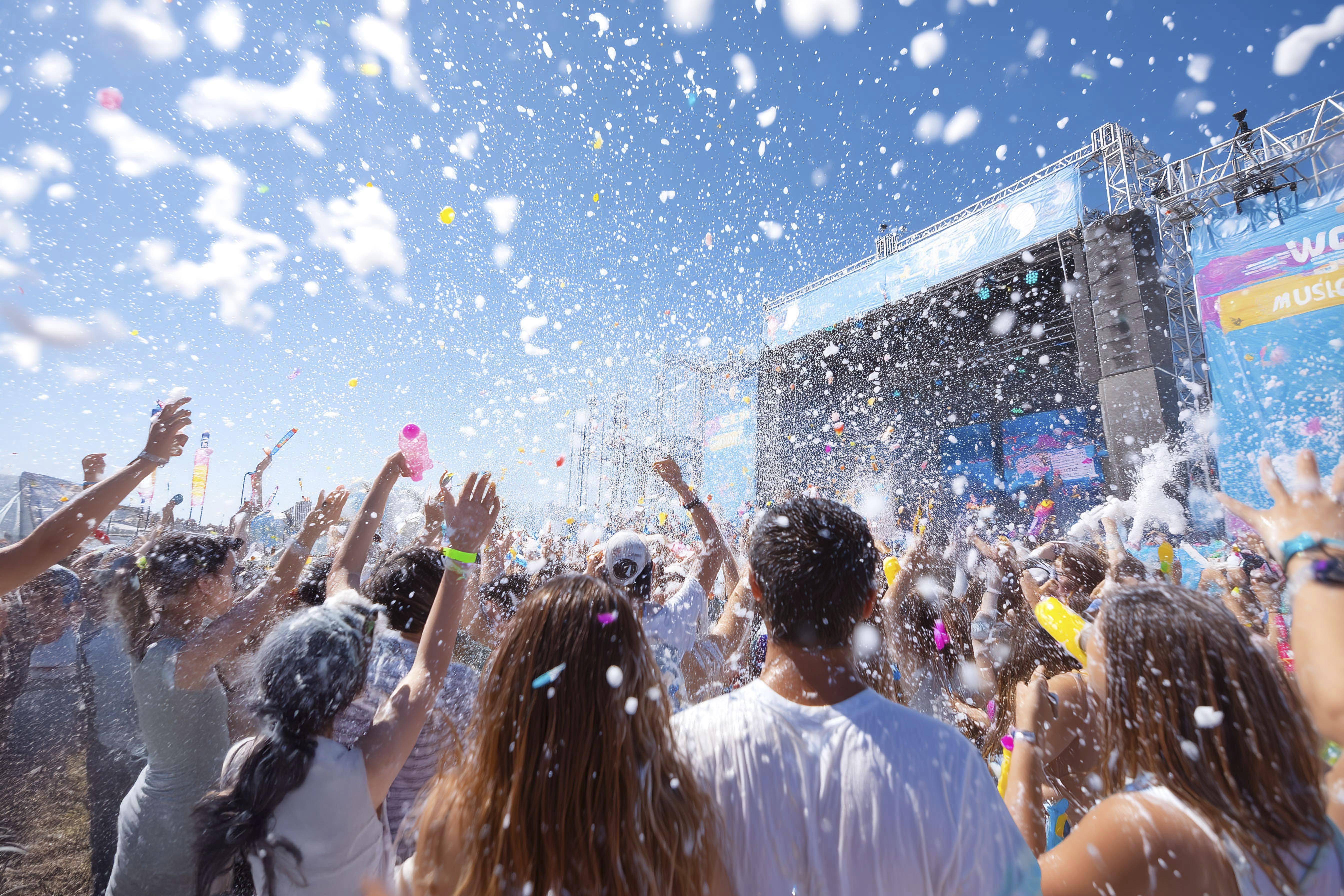
For K-pop fans, Waterbomb is the standout. Artists and audiences blast each other with water guns and hoses throughout the performance. It tours major Korean cities — Seoul, Busan, Incheon, Daegu — every June to August. Foreign K-pop fans regularly cite it as the defining experience of Korean summer.
⏰ When: Rock festivals run July–August; Waterbomb tours nationwide from June to August
⚠️ Caution: For Waterbomb, waterproof pouches for phones and cameras, a change of clothes, and a towel are essential.
💡 TIP: Tickets sell out fast. Book as soon as dates are announced.
Summer Nights at the Han River — Drone Shows, Outdoor Pools, and Yajang
After sunset, the Han River becomes the defining setting for Korean summer nights. Free night views, budget-friendly water activities, and the Korean outdoor drinking culture all come together in one place.
The Han River Drone Light Show is a free nighttime performance run by the Seoul Metropolitan Government. About 1,000 drones fly in formation above the river, drawing characters, messages, and Seoul landmarks in the sky to K-pop music. It runs every Saturday evening, and the closer you are to the main venue (usually Yeouido, Ttukseom, or Banpo), the better the view.
The Han River outdoor pools are Seoul's best-value summer water activity. Seven Han River parks (Yeouido, Jamwon, Ttukseom, Gwangnaru, Jamsil, Yanghwa, Mangwon) operate the pools from late June through late August, with adult admission around ₩5,000. Swimsuits and swim caps are required.
Yajang (야장) is the Korean tradition of laying out a mat outdoors and enjoying drinks and food. The Han River is the home of yajang — after sunset, the lawns fill with picnic mats, delivery food, and cans of beer, painting one of the most iconic scenes of Korean summer nights. Convenience store ramen, chicken delivery, instant tteokbokki — everything can be handled right on the grass, so almost no preparation is needed.
⏰ When: Drone show runs every Saturday from April to October; outdoor pools open late June to late August
💡 TIP: Check the Seoul Han River Business Office announcements for exact schedules and fees. Park-specific features and delivery zone tips are covered in detail in the Han River Picnic Seoul guide.
Korean Summer Food Culture
Boknal and Samgyetang
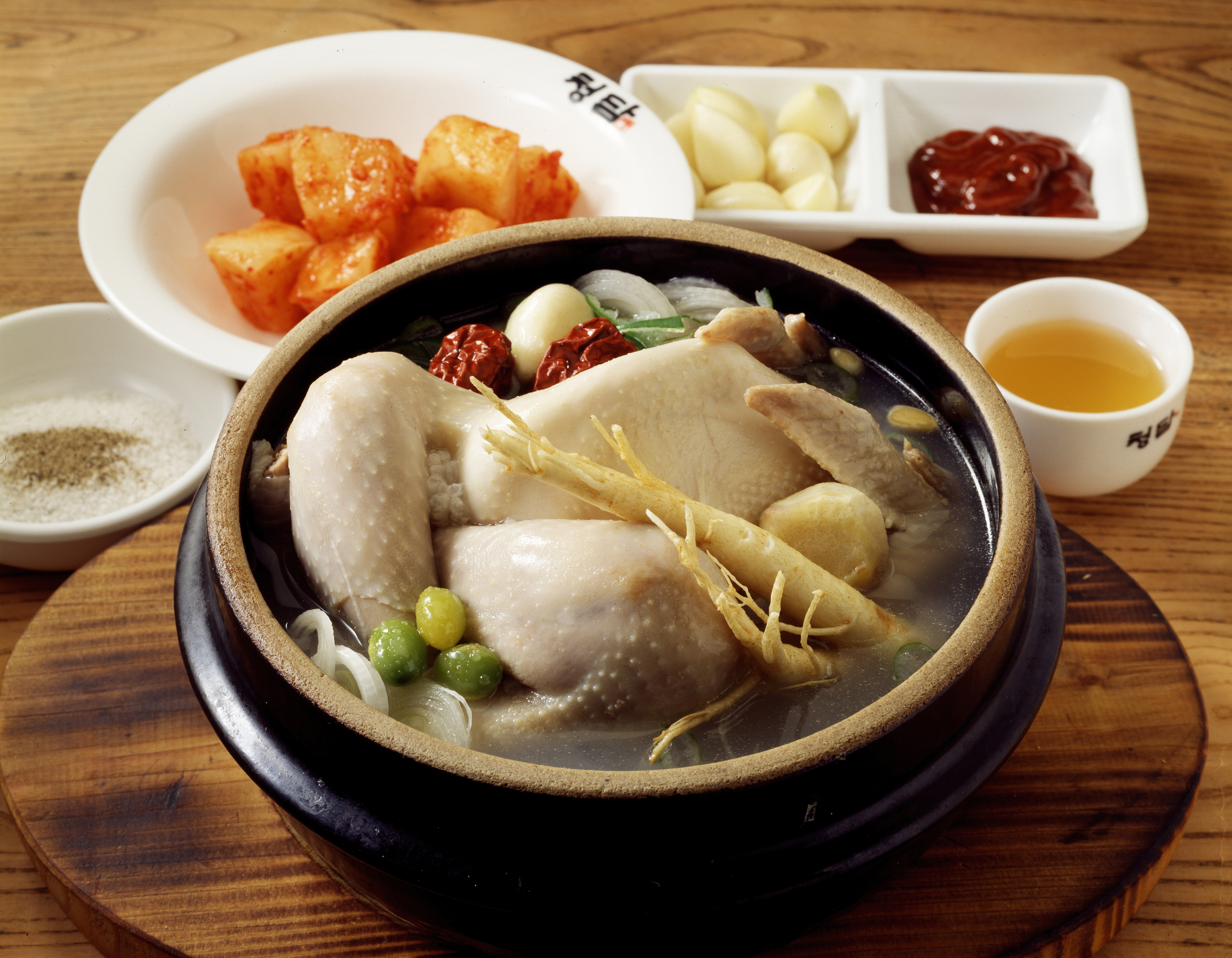
Korea divides the hottest stretch of midsummer into three days collectively known as sambok (삼복, 三伏). The three days — chobok, jungbok, and malbok — are together called boknal (복날) and fall between early July and mid-August each year.
The dish Koreans turn to most on boknal is samgyetang (삼계탕). A whole young chicken is simmered slowly, stuffed with ginseng, glutinous rice, jujube, and garlic — a traditional restorative dish.
The reason for eating a steaming hot soup in the heart of summer comes from a traditional Korean idea called iyeolchiyeol (이열치열) — "fighting heat with heat." The thinking: replenish a body weakened by heat with warm energy to restore stamina.
⏰ When: Three boknal days fall between early July and mid-August each year
💡 TIP: On boknal itself, samgyetang restaurants typically have hour-plus lunch waits. Visit on a weekday evening or just before/after the actual boknal date.
Naengmyeon
If samgyetang beats the heat with warmth, naengmyeon (냉면) takes the opposite approach. Thin noodles made from buckwheat or starch are served in cold broth or with a spicy sauce — a defining Korean summer dish.
There are two main styles. Mulnaengmyeon (물냉면) is served in chilled broth and is the most popular in peak summer. Bibimnaengmyeon (비빔냉면) is mixed with a spicy sauce. Adding vinegar and mustard is the Korean standard, but adjust to your taste.
💡 TIP: Naengmyeon is also a common closer at Korean BBQ restaurants. Cleansing the palate with cold noodles after grilled meat is the most quintessentially Korean way to end a meal.
Bingsu — The Essence of Korean Summer Dessert
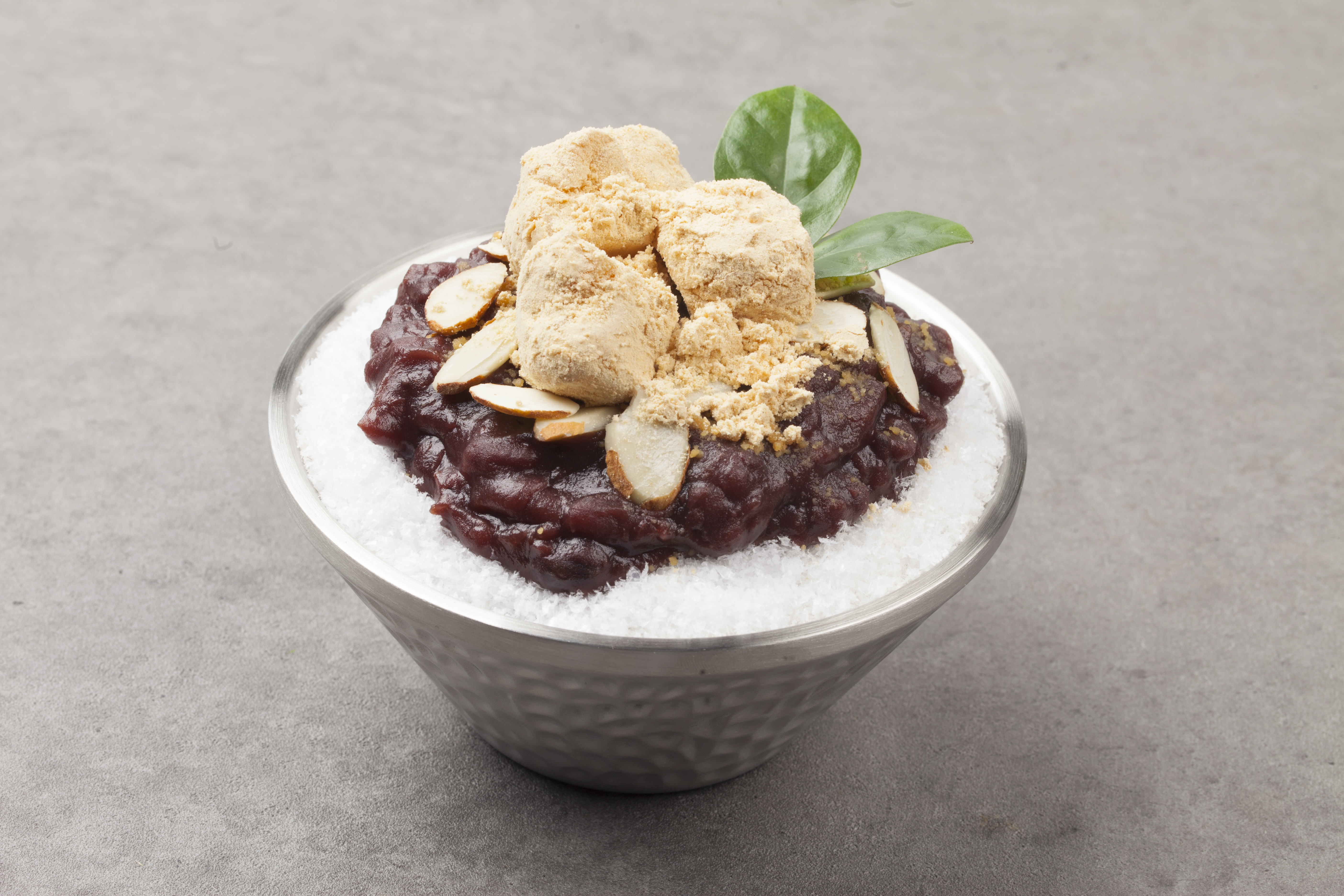
Bingsu (빙수) is a Korean dessert of finely shaved ice topped with various ingredients. Unlike shaved ice elsewhere, Korean bingsu uses "snow ice" frozen from milk or condensed milk, giving it a soft texture that melts on the tongue.
Popular varieties include patbingsu (팥빙수), topped with sweet red beans and injeolmi rice cake; mango bingsu, the most popular summer flavor; and injeolmi bingsu, topped with roasted soybean powder and rice cake. Bingsu typically comes in a large size meant for 2–4 people to share, so it has become a dessert for friends and couples rather than solo eaters.
💡 TIP: Convenience stores also sell single-serve bingsu cups and bars in many varieties. If you just want a quick taste, the convenience store version is a solid option.
Korean summer is a season with three different faces: the freshness of June, the rain of July, and the heat of August.
The only window where you can experience the Boryeong Mud Festival, Incheon's rock festivals, and the Han River's drone shows, pools, and yajang all at once is essentially July and August.
Restore your stamina with samgyetang on boknal, cool down the midday heat with naengmyeon and bingsu, and move to the rhythm of a Korean summer — that's when you'll truly experience Korea in summer.
