
Cost of Living in Korea: A Guide to Various Accommodation Types
pdt · 2025. 9. 12.

Planning to study or work in Korea? One of the biggest concerns is the cost of living. Housing costs, in particular, are a large part of your total budget, so your choice of accommodation can significantly affect your quality of life and expenses.
This guide will walk you through the main housing options in Korea so you can find the best match for your budget and lifestyle.
Cost of Living in Korea: Student Accommodation Options
1) Cost of Living in Korea : Dormitory
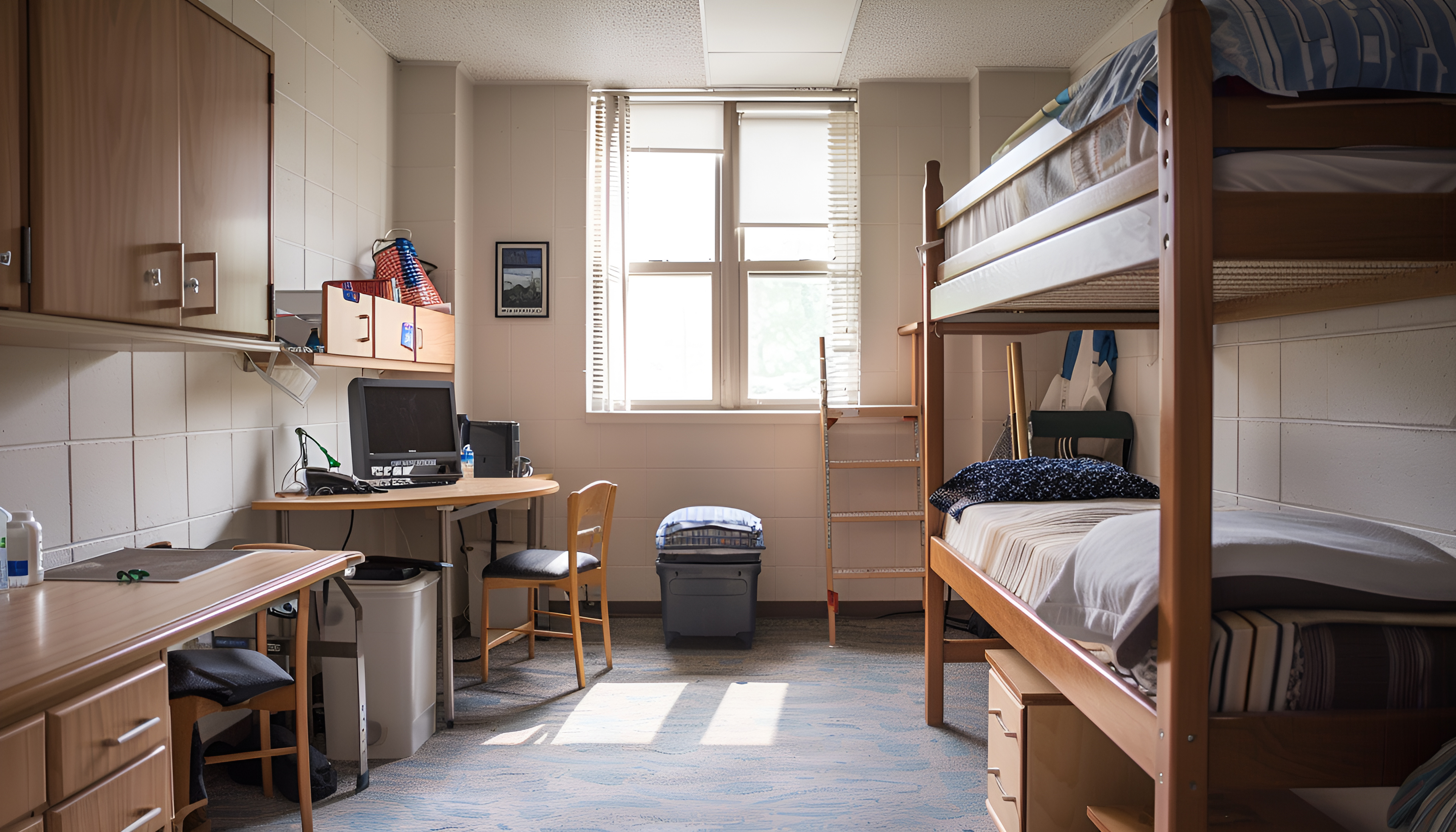
Dormitories are one of the most affordable and stable housing options, managed directly by the university, which ensures high security and well-equipped facilities.
- Cost: Approximately ₩500,000 to ₩800,000 per month, paid by semester with no deposit.
- Pros: Close to the school, highly secure, and cost-effective.
- Cons: Strict rules (curfews, overnight stay regulations), less privacy due to living with a roommate, high competition for entry, and potential need to vacate during breaks.
2) Cost of Living in Korea : Goshiwon
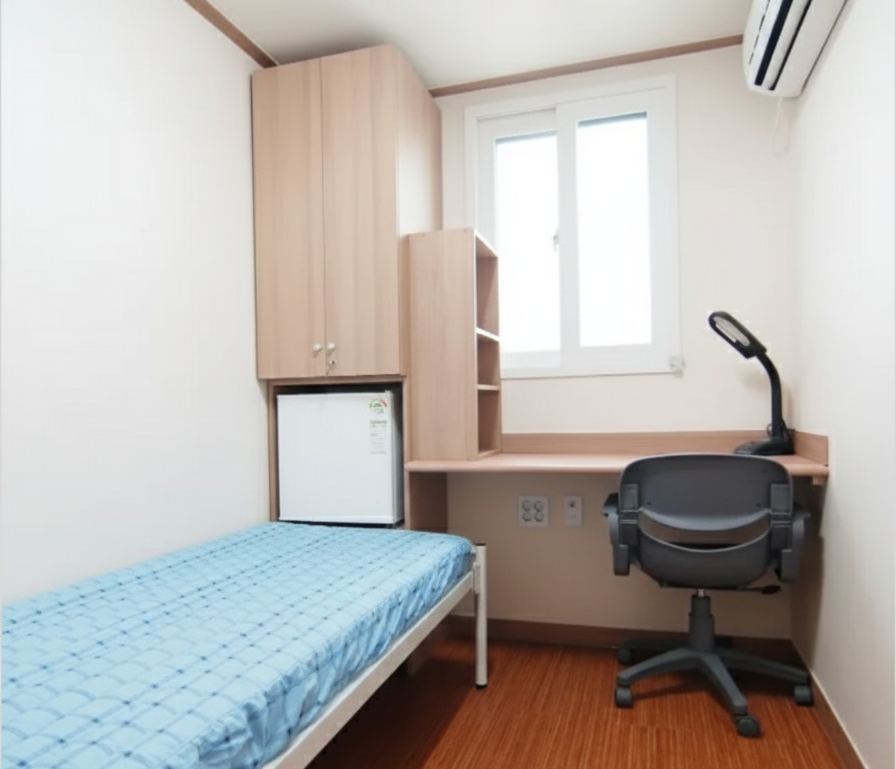
- Cost: Around ₩300,000 to ₩600,000 per month with no deposit. Many goshiwons include meals (rice, kimchi, ramen, etc.) and utilities, which helps reduce costs.
- Pros: Low cost and no deposit, making it a good option for short-term stays.
- Cons: Extremely small spaces, often poor soundproofing and safety features. Shared laundry and bathroom facilities are also common.
3) Cost of Living in Korea : Sharehouse

- Cost: A deposit of one to two months' rent is required, with monthly rent ranging from ₩400,000 to ₩800,000. It is generally more affordable than a studio apartment and comes fully furnished.
- Pros: Comfortable private rooms and opportunities to interact with various people and get information about life in Korea.
- Cons: Potential for noise issues or conflicts with incompatible roommates. Some sharehouses may have curfews or other rules, and complete privacy is not guaranteed due to shared facilities.
Cost of Living in Korea: Independent Living Options
4) Cost of Living in Korea: One-room/Officetel
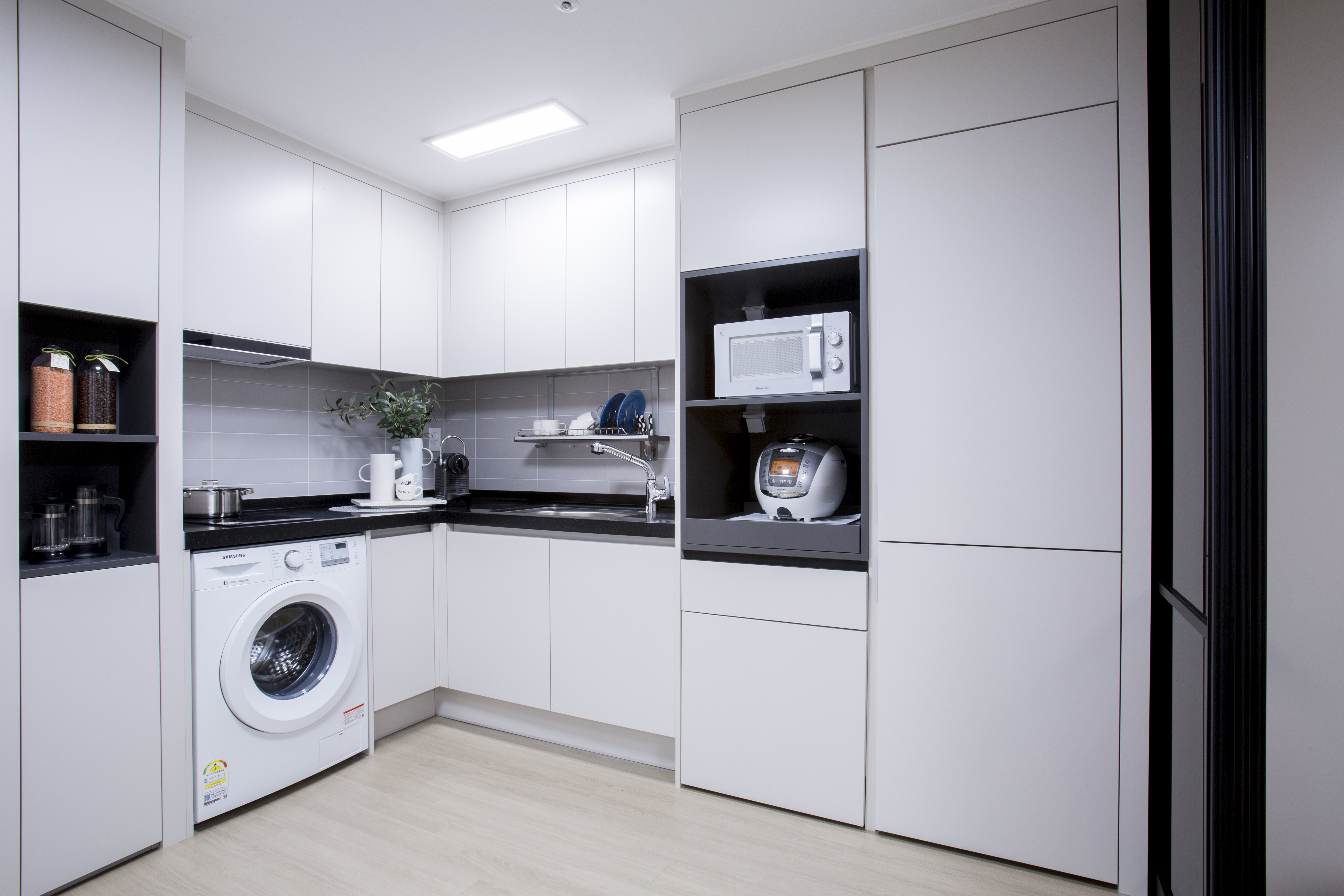
In Korea, a "one-room" refers to a one-room apartment with a bedroom, kitchen, and bathroom all in one space. It’s the most common type of housing for students and young workers.
On the other hand, an "officetel" is a building that combines office and living space. Most officetels have a second floor and units are often small studio-style apartments with private bathrooms and kitchens, popular among working professionals for their convenience and central locations.
- Cost: The system is usually either a monthly rent (with a deposit) or jeonse (a large lump-sum deposit). Most foreigners opt for a monthly rent contract. Deposits typically range from ₩5,000,000 to ₩10,000,000, and monthly rent is usually between ₩500,000 and ₩1,000,000 in the Seoul Metropolitan Area.
- Pros: Complete freedom and privacy. Many apartments near universities are 'fully-furnished' with essential items like a bed and air conditioner.
- Cons: High deposit burden and a potentially complicated refund process. You are also responsible for paying utilities separately from the rent.
5) Cost of Living in Korea: Rental Accommodation
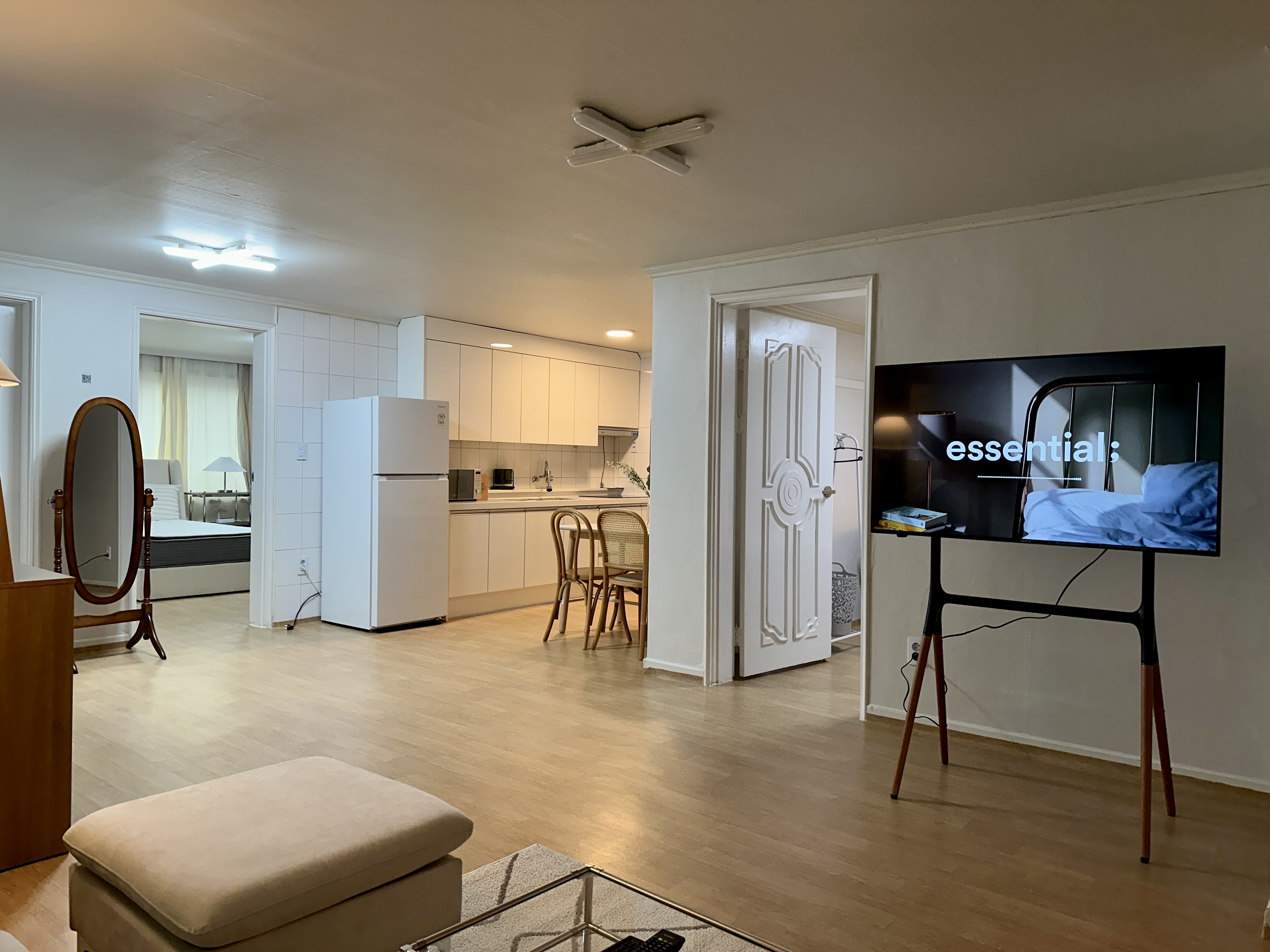
- Cost: Some accommodations may not require a deposit, but it is best to confirm with the host before booking. Monthly rent can range from a minimum of ₩400,000 to over ₩2,000,000 for larger or more luxurious places.
- Pros: Low or no deposit burden. The deposit may be fully refundable if you cancel within the free cancellation period. Accommodations are 'fully-furnished,' allowing you to move in immediately, and contracts are flexible for both short- and long-term stays.
- Cons: Generally more expensive than goshiwons or dormitories. The number of available accommodations may be limited, reducing your options.
Finding a Verified Accommodation in Korea That Fits Your Needs
Homes in Korea: A Comprehensive Housing Solution for International Students
Homes in Korea is a specialized brand for short- and long-term rentals for foreigners. They simplify complex procedures like paperwork, remove language barriers, and have built various services to help foreigners settle into life in Korea.
- Multilingual Service: They offer communication in various languages to assist foreigners who are not yet comfortable with Korean. This helps with the contract process and any post-move-in inquiries or issues.
- Simplified Paperwork: They streamline complex lease agreement procedures, making it easy for foreigners to sign a housing contract. They provide standardized contracts for peace of mind.
- Community Building: They operate community programs that encourage interaction among international students living in the same area or building. This helps prevent loneliness and allows them to share information and have fun.
- Customized Housing Solutions: They offer various housing options, from single-person units to shared spaces with roommates, to meet students' budgets and needs.

When choosing accommodation in Korea, you should consider not only your budget but also the presence of a deposit, the size of the space, privacy, amenities, and contract flexibility.
- For those prioritizing budget: Dormitories or goshiwons.For those who want privacy and a reasonable cost: Sharehouses.For those who need a completely private space with a sufficient budget: Studios or officetels.For those who need a private space with flexible options: Rental accommodation.
🔍 Find More Useful Information
- 5 Essential Apps for Living in KoreaTips to Reduce Public Transportation Costs in SeoulMust-Visit K-Drama & Movie Filming Locations in Seoul
